Table Of Content
- Four shipwrecks in five days: Why migrants tragedy keep happening in the Med
- The luxury cruises heading into forbidden Russia and deepest Antarctica
- Italy cruises: Country bans large cruise ships from sailing into Venice as of Aug. 1
- Escape: The Wreck of the Costa Concordia
- Regulatory and industry response

The stern side would fall suddenly by three feet, then the bow by two feet; port and starboard would tilt sharply to one side or the other. They couldn’t figure out what they were doing.” Eventually, to Smith’s dismay, the crewmen simply gave up, cranked the lifeboat back up to the deck, and herded all the passengers back onto the ship. GIGLIO, Italy (AP) — Ten years have passed since the Costa Concordia cruise ship slammed into a reef and capsized off the Tuscan island of Giglio.
Four shipwrecks in five days: Why migrants tragedy keep happening in the Med
He could hear the emergency crews and banged a saucepan to get their attention, but it was no use. He stayed there all day Saturday, his broken leg throbbing, sipping from cans of Coke and a bottle of Cognac he found floating by. Airlifted to a mainland hospital, Giampedroni was the last person taken off the ship alive. As he walked, Giampedroni tapped on the doors now at his feet, listening for responses that never came.
The luxury cruises heading into forbidden Russia and deepest Antarctica
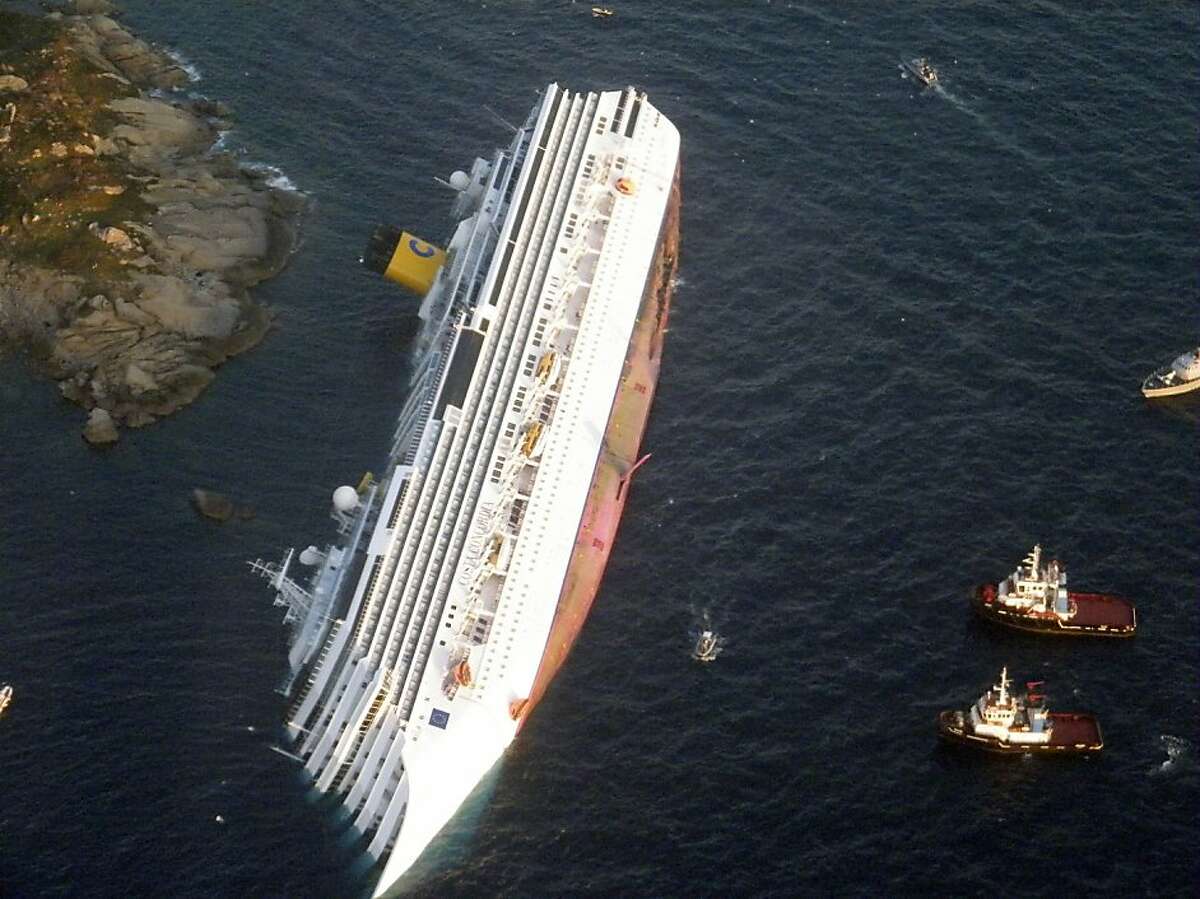
For Concordia survivor Georgia Ananias, the COVID-19 infections are just the latest evidence that passenger safety still isn’t a top priority for the cruise ship industry. Passengers aboard the Concordia were largely left on their own to find life jackets and a functioning lifeboat after the captain steered the ship close too shore in a stunt. He then delayed an evacuation order until it was too late, with lifeboats unable to lower because the ship was listing too heavily.
Italy cruises: Country bans large cruise ships from sailing into Venice as of Aug. 1
The ship's captain, Francesco Schettino, had been performing a sail-past salute of Giglio when he steered the ship too close to the island and hit the jagged reef, opening a 230-foot gash in the side of the cruise liner. Somewhere on the ship, an Italian woman named Concetta Robi took out her cell phone and dialed her daughter in the central Italian town of Prato, near Florence. She described scenes of chaos, ceiling panels falling, waiters stumbling, passengers scrambling to put on life jackets. Schettino’s fourth mistake, however, appears to have been an amazingly stupid bit of confusion. He began his turn by calculating the distance from a set of rocks that lay about 900 yards off the harbor. What he failed to notice was another rock, nearer the ship.
Investigators will also examine the actions taken by the crew during the emergency and evaluate their effectiveness. The boat would stay off the coast of the island for another ten years until being removed in 2014. The passengers, whose infections were found through random testing, were asymptomatic or had mild symptoms, according to the Port of San Francisco. Ten years ago the Costa Concordia ran aground off the Tuscan island of Giglio, killing 32 people and entwining the lives of others forever. Video released by investigators showed the divers finding large silver-coloured packages underwater, lifting them on to a police boat and opening them with knives.
Claudio Masia, a 49-year-old Italian, waiting with his wife, their two children, and his elderly parents, lost patience. “I am not ashamed to say that I pushed people and used my fists to secure a place” for his wife and children, he later told an Italian newspaper. Returning for his parents, Masia had to carry his mother, who was in her 80s, into a boat.
Escape: The Wreck of the Costa Concordia, Part 4
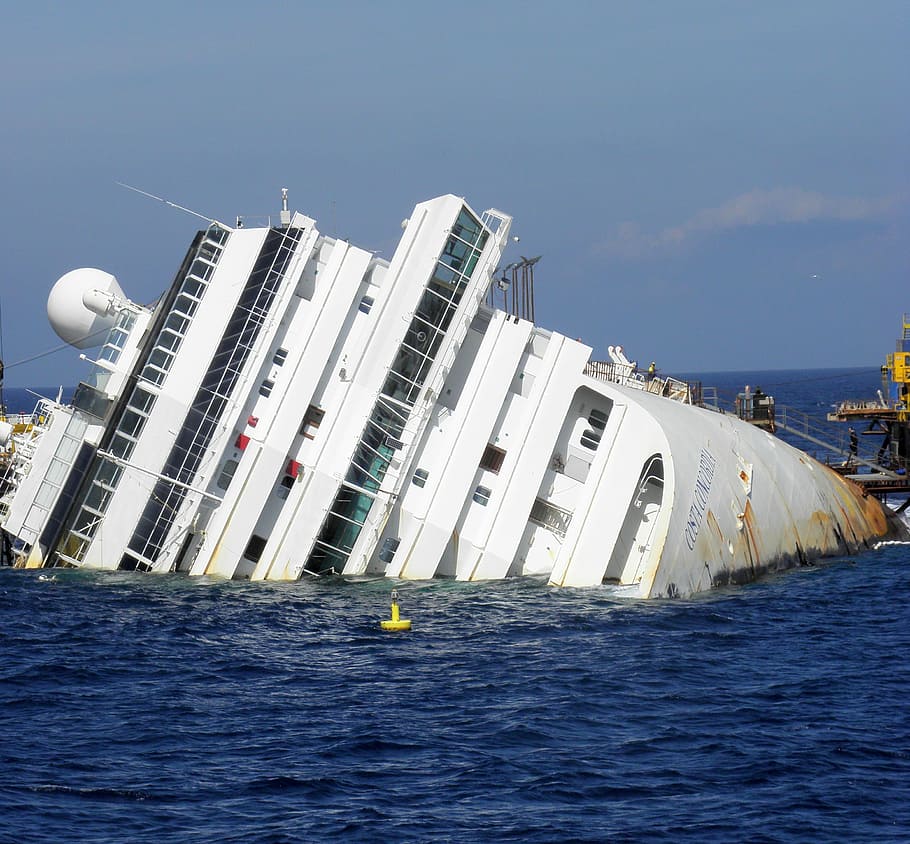
While the full investigation into the causes is still underway, it is already clear that changes are needed in the cruise industry to improve safety and prevent disasters like this from recurring. Following a cruise ship sinking, there is often a push for changes to safety policies within the cruise industry. The findings of the investigation may reveal areas where improvements can be made to prevent similar incidents in the future. "I imagine it like a nail stuck to the wall that marks that date, as a before and after," he said, recounting how he joined the rescue effort that night, helping pull ashore the dazed, injured and freezing passengers from lifeboats. Prosecutors blamed the delayed evacuation order and conflicting instructions given by crew for the chaos that ensued as passengers scrambled to get off the ship.
Costa Concordia captain hands himself into prison - The Guardian
Costa Concordia captain hands himself into prison.
Posted: Fri, 12 May 2017 07:00:00 GMT [source]
For several minutes he studied the midsection but determined that the helicopter’s downdraft, combined with the precarious angle of the ship, made this too dangerous. Soon, Smith estimates, there were 40 people hanging on to his rope at the ship’s midsection, among them the Ananias family. A French couple, Francis and Nicole Servel, jumped as well, after Francis, who was 71, gave Nicole his life jacket because she couldn’t swim.
Regulatory and industry response
He didn’t bother trying any of them; they all opened from the inside. He had just stepped on a door outside the Milano Restaurant when, to his dismay, it gave way. He slammed into a wall about 15 feet down, then tumbled down what felt like half the ship, finally landing, ominously, in seawater up to his neck. He felt a stabbing pain in his left leg; it was broken in two places. When his eyes adjusted to the darkness, he realized he was inside the restaurant, now a vast, freezing swimming pool jammed with floating tables and chairs. The Concordia first sailed into the Tyrrhenian Sea, from a Genoese shipyard, in 2005; at the time it was Italy’s largest cruise ship.
When he returned for his father, Giovanni, an 85-year-old Sardinian, he had vanished. Masia ran up and down the deck, searching for him, but Giovanni Masia was never seen again. Then he threw on a coat and raced down the hill toward the port. Far below, just a few hundred yards off Point Gabbianara, was the largest ship he had ever seen, every light ablaze, drifting straight toward the rocks alongside the peninsula. However it was done, the Concordia completed a hairpin turn to starboard, turning the ship completely around. At that point, it began drifting straight toward the rocks.
But for the passengers on board and the residents who welcomed them ashore, the memories of that harrowing, freezing night remain vividly etched into their minds. The sad anniversary comes as the cruise industry, shut down in much of the world for months because of the coronavirus pandemic, is once again in the spotlight because of COVID-19 outbreaks that threaten passenger safety. The U.S. Centers for Disease Control last month warned people across-the-board not to go on cruises, regardless of their vaccination status, because of the risks of infection. Ten years have passed since the Costa Concordia cruise ship slammed into a reef and capsized off the Tuscan island of Giglio. The U.S. Centers for Disease Control last month warned people across-the-board not to go on cruises, regardless of their vaccination status, because of the risks of infection. GIGLIO, Italy — Ten years have passed since the Costa Concordia cruise ship slammed into a reef and capsized off the Tuscan island of Giglio.
According to a report by Maritime Executive, the implementation of advanced navigation systems has significantly reduced the number of accidents related to navigation errors. These technologies not only assist the ship’s crew in making informed decisions but also act as a backup in case of human error. Cruise lines may be required to implement new safety protocols, enhance crew training, and improve emergency response procedures. Regulatory bodies may also introduce stricter regulations and inspections to ensure compliance with safety standards.




No comments:
Post a Comment